In short
- a16z argues that venture money funded the companies that build finished defense and space systems, and not enough went to the thousands of small manufacturers beneath them.
- Most of those manufacturers are small. Among US machine shops operating all year, 83% employed fewer than 20 people.
- Supplier quality tools prove the part, and that stays their job. Very little shows that a supplier's operators follow the approved method.
- Demonstrated by the expert and scaled by skillia.AI: capture the method once, coach operators with a Voice Agent, have AI score each run against it, and keep a record of who followed it.
Silicon Valley funded the top of the chain
On October 2, 2026, a16z published "The Case for the American Manufacturing Asset Class" by Connor Love and Collen Larson. Its argument is direct: venture capital funded companies such as SpaceX, Anduril and Castelion, but "we haven't funded enough of the manufacturers and supply chain beneath these companies."
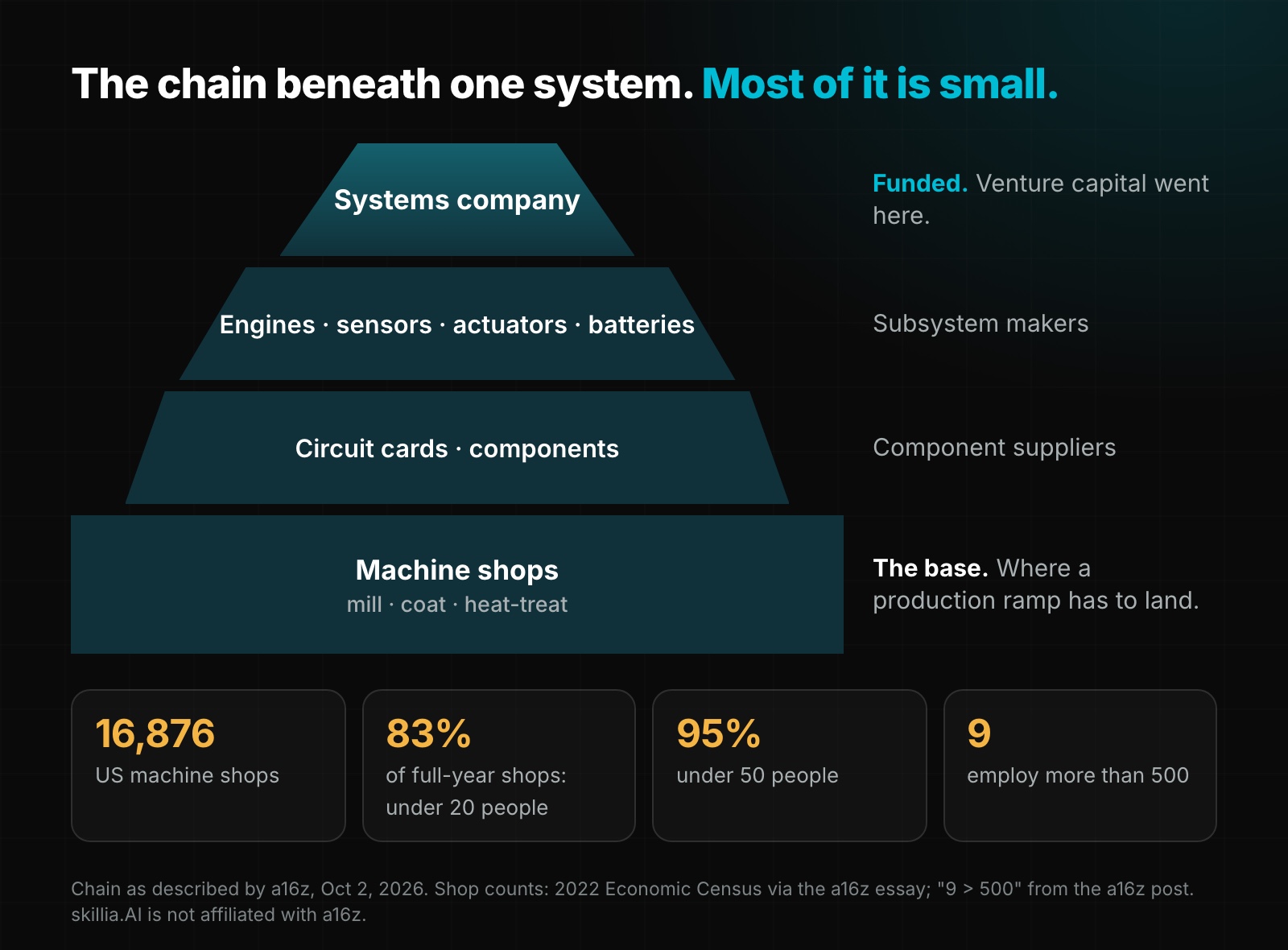
The a16z post promoting the essay describes the chain this way: "It takes thousands of suppliers to build one missile, one aircraft, one ship, or one drone." At the top is the company that delivers the finished system. Beneath it are the makers of engines, guidance sensors, actuators, battery packs and circuit cards, "and the machine shops that mill, coat, and heat-treat every part." Then it says: "Silicon Valley funded the top."
The essay's focus is what happens when those systems companies move from prototypes to production. It gives one example: a Navy production order for Castelion's Blackbeard "calling for hundreds of missiles annually, with a pathway into the thousands." The essay says that ramp "will need to extend several tiers down the supply chain."
The base of the chain is small
The essay cites the 2022 Economic Census: 16,876 machine shops. Among those operating all year, 83% employed fewer than 20 people and 95% fewer than 50. a16z's post adds that just nine employ more than 500. The essay also notes that across all of US manufacturing, roughly three-quarters of the 240,644 manufacturing employers employed fewer than 20 people.
The essay is clear about why that makes ramping hard. Companies this small "cannot casually add machines, workers, qualification runs, and inventory for an abrupt production ramp." Qualification can be tied to specific processes and facilities, so the work can't simply move to whichever factory has room. The capabilities a single system needs are spread across specialized shops that "rarely function as a coordinated network," and for some critical processes "there may only be one or two qualified sources to begin with."
The essay also lists what these suppliers already have: "approvals and qualification history," "skilled workers," and "hard-won process knowledge." That last asset is where this post focuses.
Proof of the part is mature
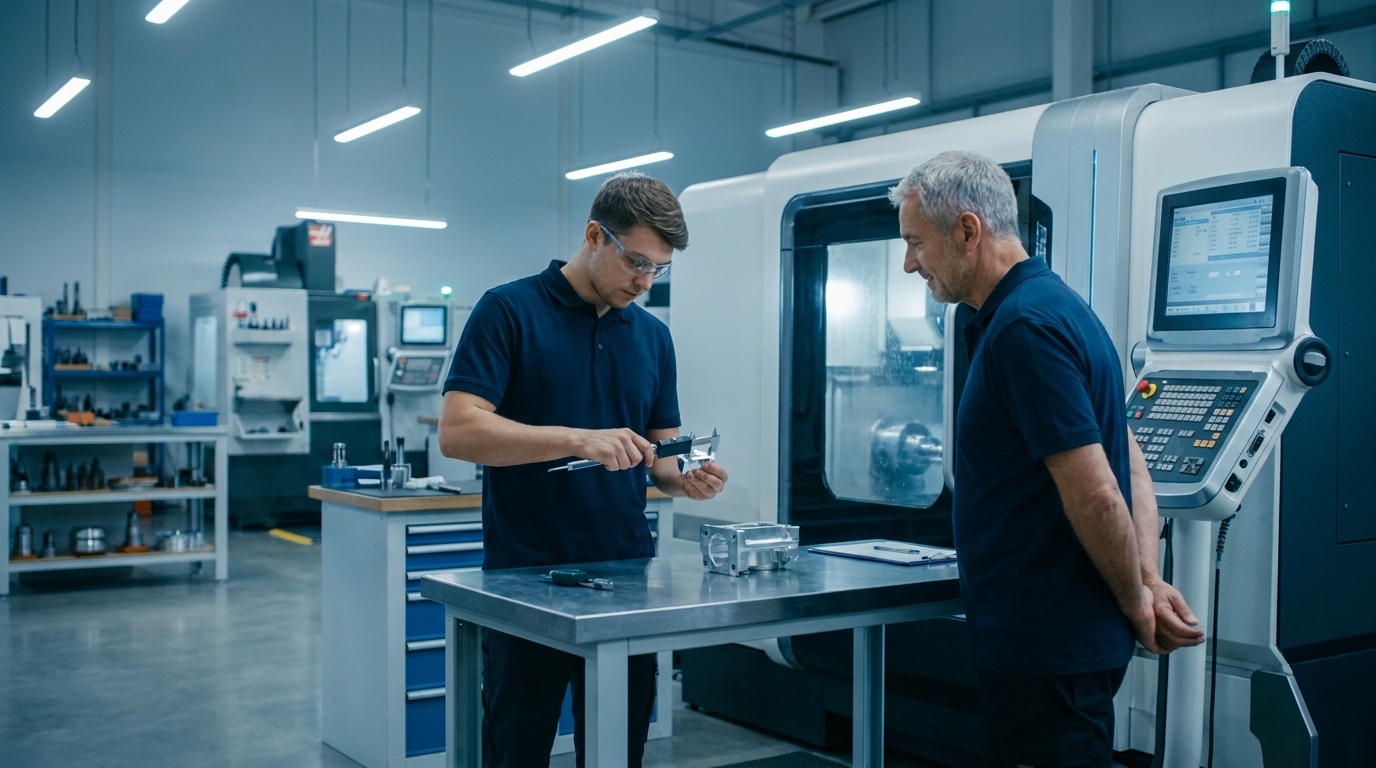
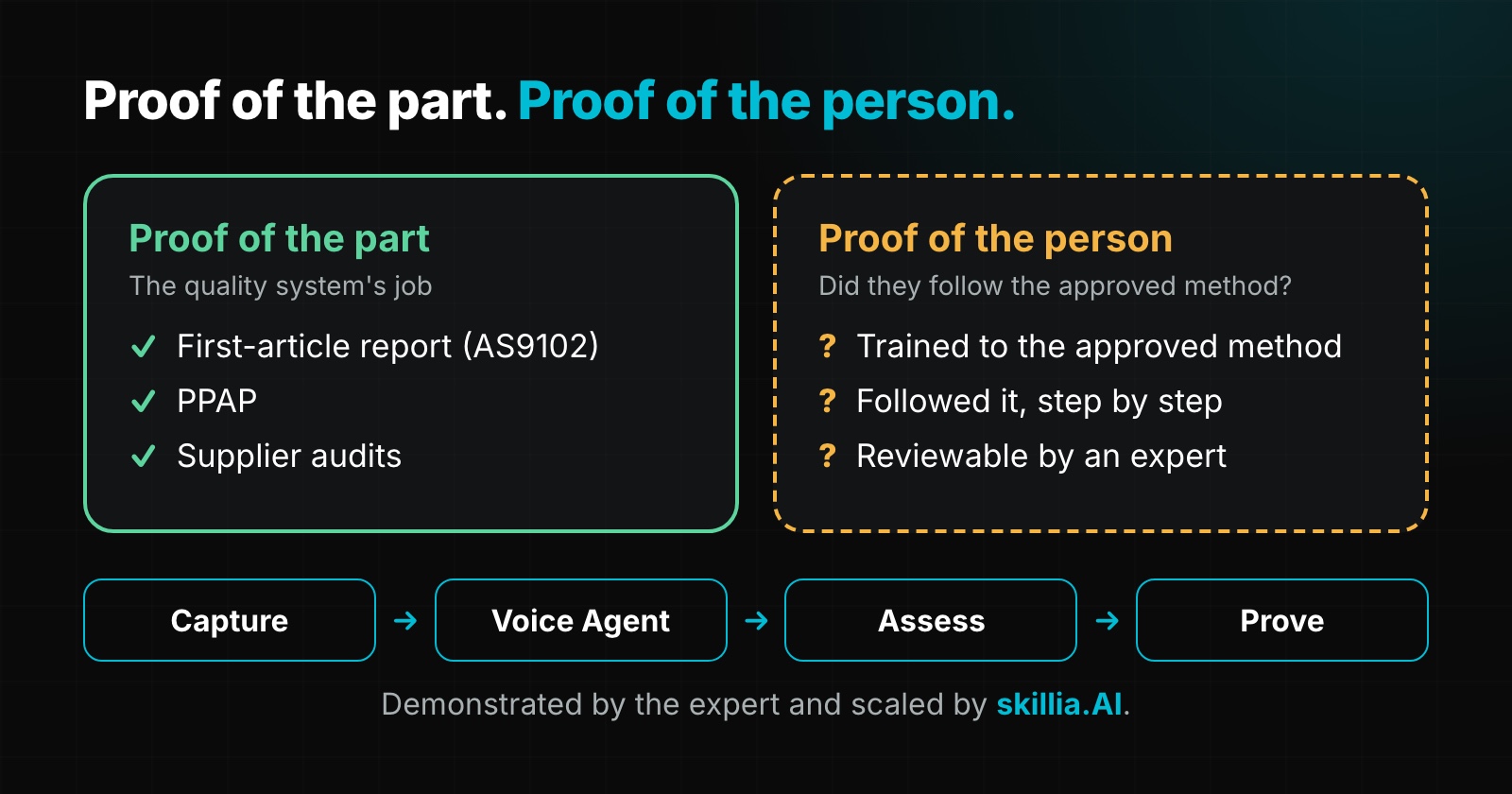
Aerospace and defense have well-developed tools for proving that a part is right:
- First-article inspection (AS9102): a documented check that the first production part matches the drawing and specification.
- Production part approval (PPAP): evidence that the production process can make the part consistently.
- Supplier audits and readiness reviews: checks of the supplier's quality system and process.
- Corrective actions: a formal loop when something escapes.
Supplier quality and supplier development teams at the primes know how to use all of these. They answer the question "was this part made correctly, by a capable process?"
Proof of the person is missing
What those tools don't fully answer is the question that matters most when volume jumps at a small supplier: who here was trained on the approved method, do they follow it, and how do we know?
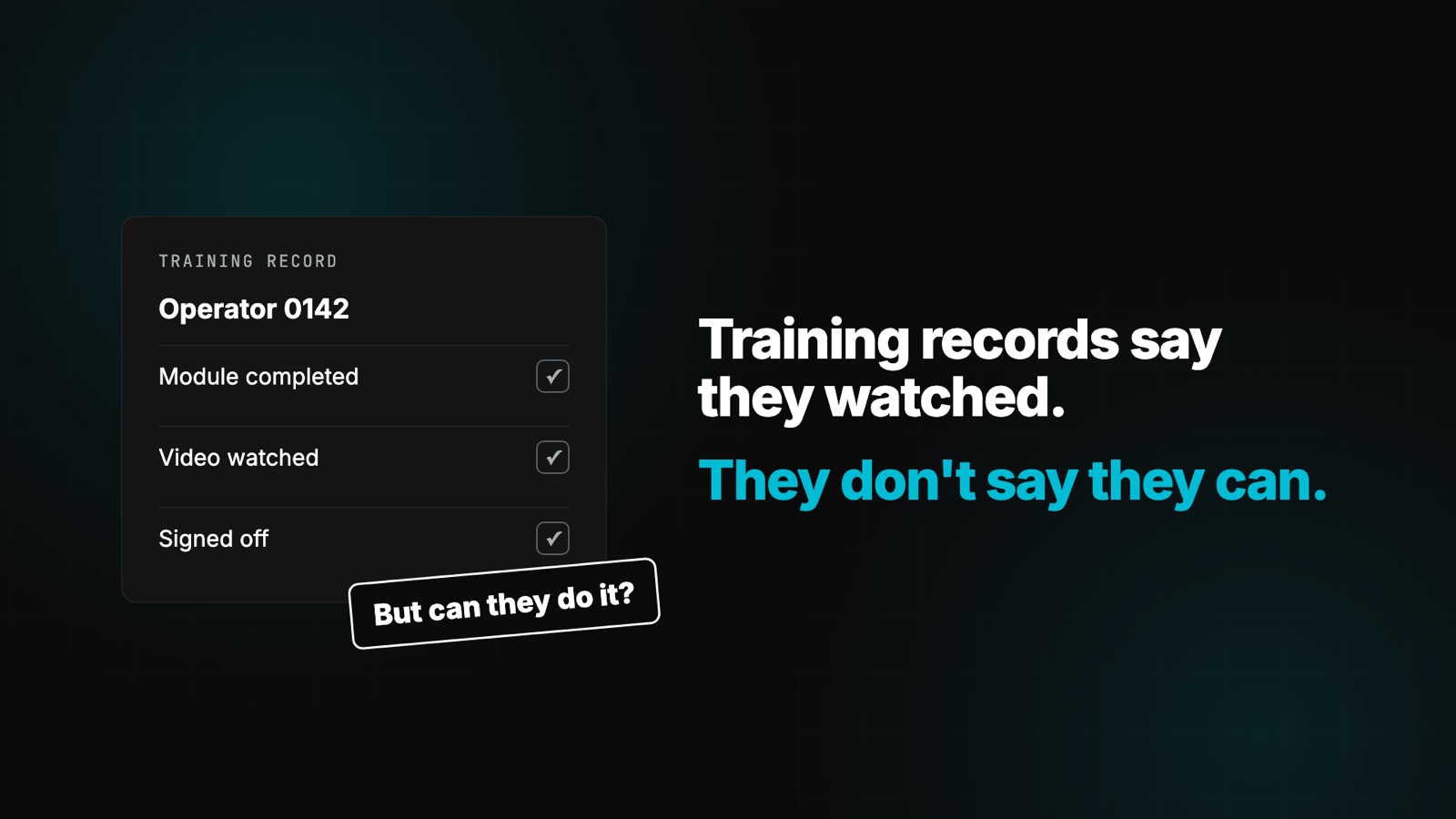
In many shops, the answer is a signature on a training record. We've written before about why that's weak evidence (see How Do You Verify Worker Competency in Manufacturing? and What Is the Difference Between Training and Competency Verification?). A record shows someone attended training. It doesn't show they follow the method on the job.
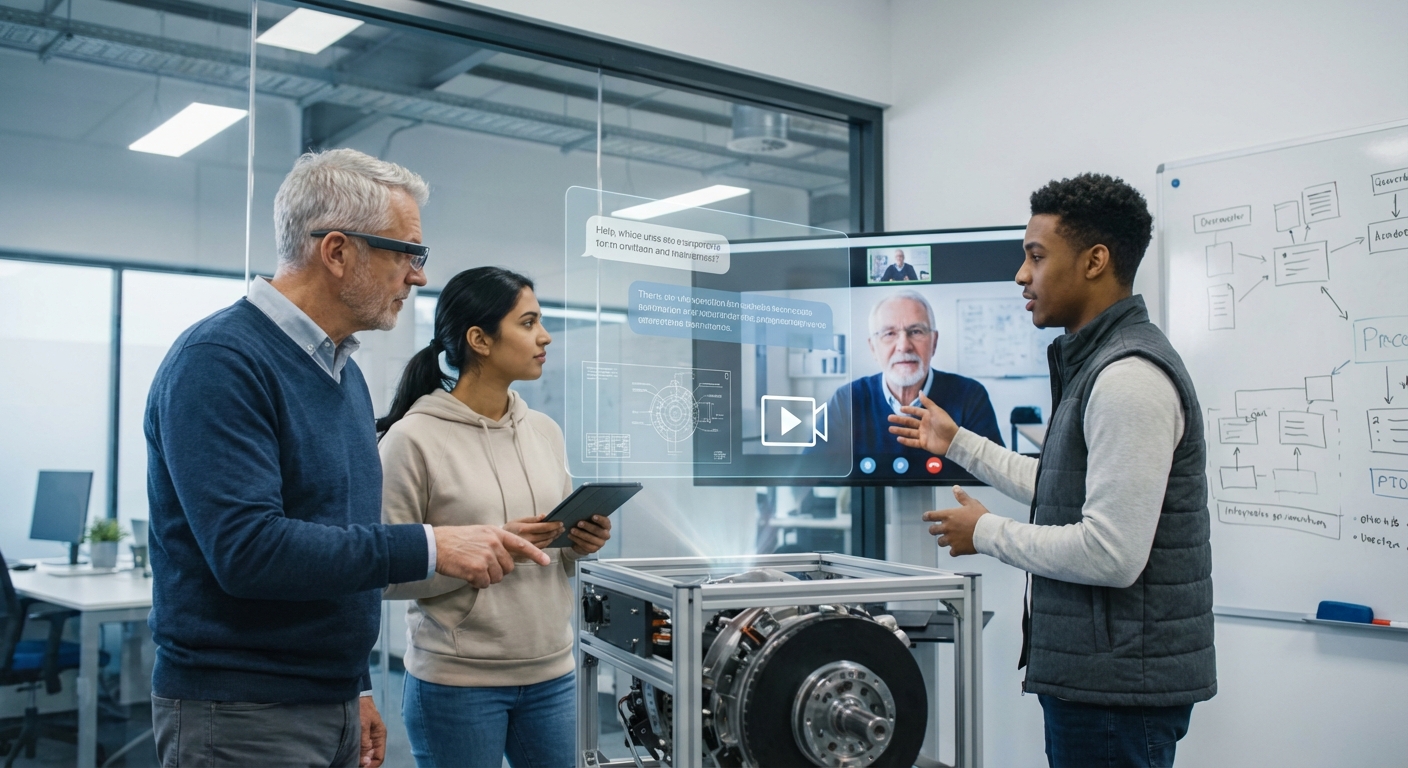
At a shop with fewer than 20 people, the knowledge of how to run the hardest jobs often sits with a few experienced people, and they are also the ones running those jobs. When the shop needs a second shift for a ramp, the evidence that a new operator follows the method usually comes from those same people, when they have time. On the customer side, it comes from supplier development engineers on the road.
That works at prototype rates. It doesn't scale across thousands of suppliers.
The expert's time is the real constraint
This isn't a new observation. In a 2022 a16z conversation, Hadrian's Chris Power said that "most manufacturing training is, 'Hey, apprentice under someone for three years, and maybe they'll spend an hour vaguely teaching you about saw-cutting metal at night.'" He added: "we can't have our top 10 machinists spending six years training someone." The same year, a16z's "Building the American Workforce" argued that startups should work on how workers are trained, upskilled and credentialed.
A production ramp at a small supplier runs straight into this constraint. The few people who know the job can't personally train and check every new operator. And the knowledge they hold is exactly what customers need to see captured and passed on (see Preserving Institutional Knowledge).
We don't burn the expert's time on every training and every assessment. That's the design principle behind everything below.
What good operator competency evidence looks like
If a prime or a plant manager wants evidence of the person (the part stays with the quality system), it should meet five tests:
- Tied to the approved method. The method comes from the expert who knows the job, reviewed and approved, not from a generic course.
- Shown on real work. The operator performs the actual job, not a quiz about it.
- Checked step by step. Each step is compared with the approved method, so a missed or out-of-order step is visible.
- Reviewable. A qualified person can look at the evidence later without having been there.
- Shareable. The record can go to a customer, an auditor or a prime that needs it.
How skillia.AI does it: Capture, Voice Agent, Assess, Prove
Demonstrated by the expert and scaled by skillia.AI. Four equal parts:
In the video, Capture and Build appear as two steps; the expert's review of the AI-drafted work instruction is part of Capture here. The records shown are sample records from our product demo.
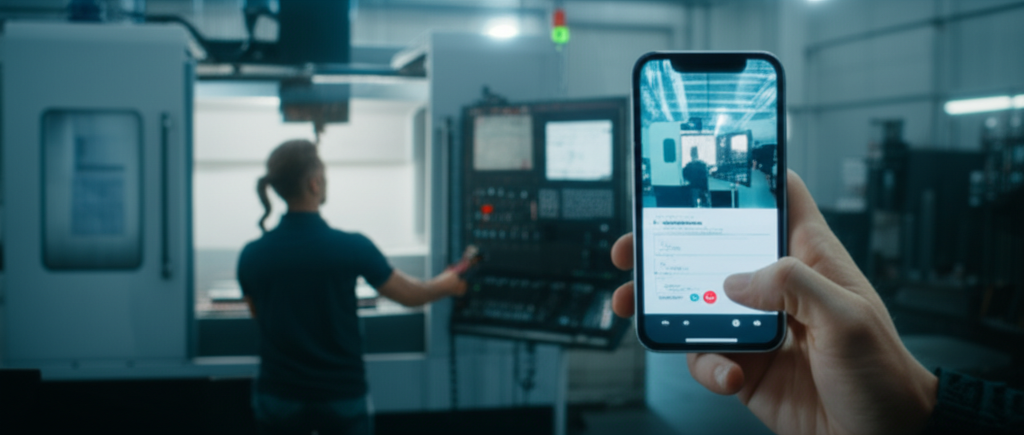
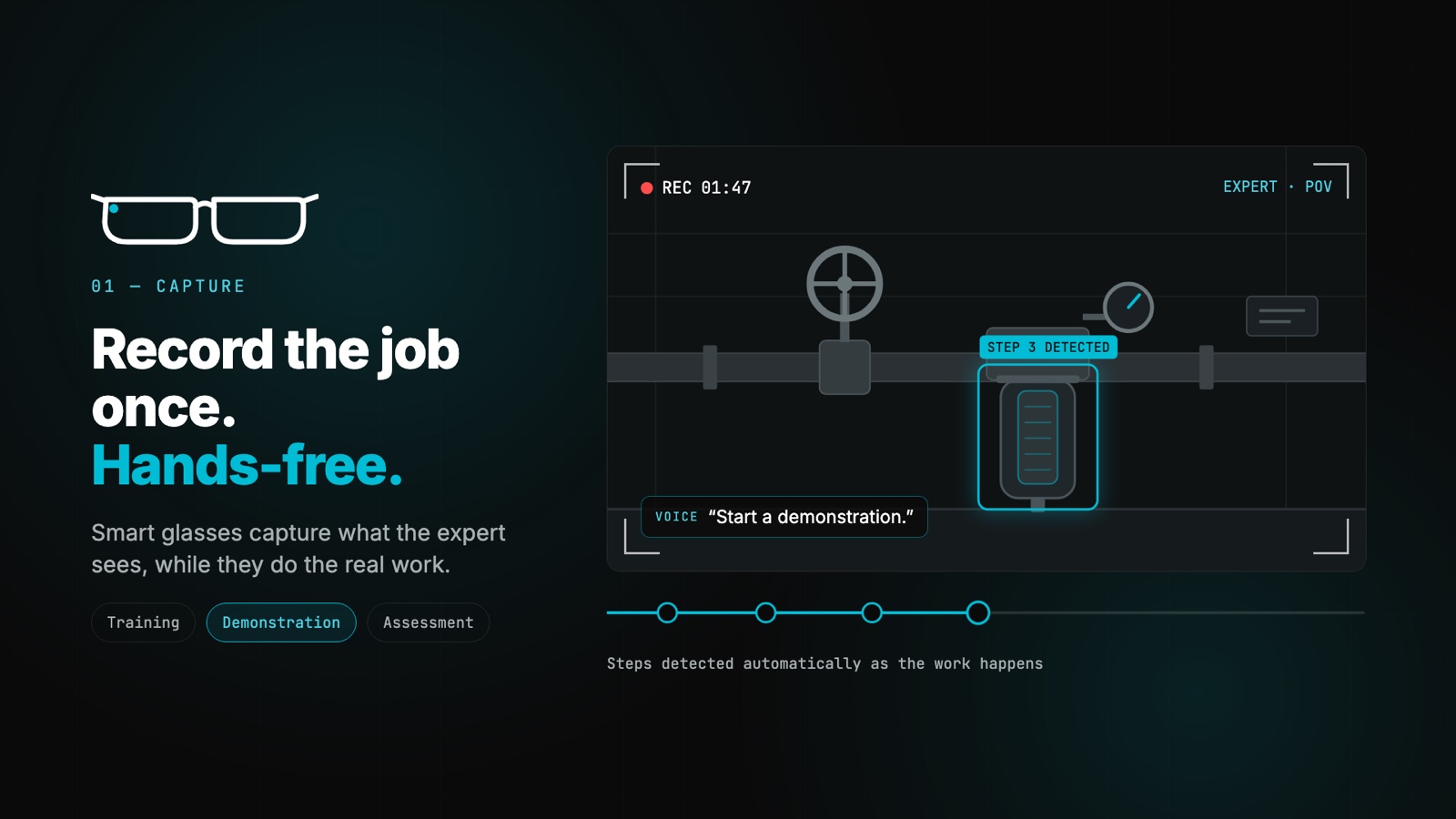
1. Capture. The expert records the job once on video, with smart glasses or a phone, while doing the real work. skillia.AI turns the recording into a step-by-step work instruction, and the expert reviews and approves it before anyone sees it.
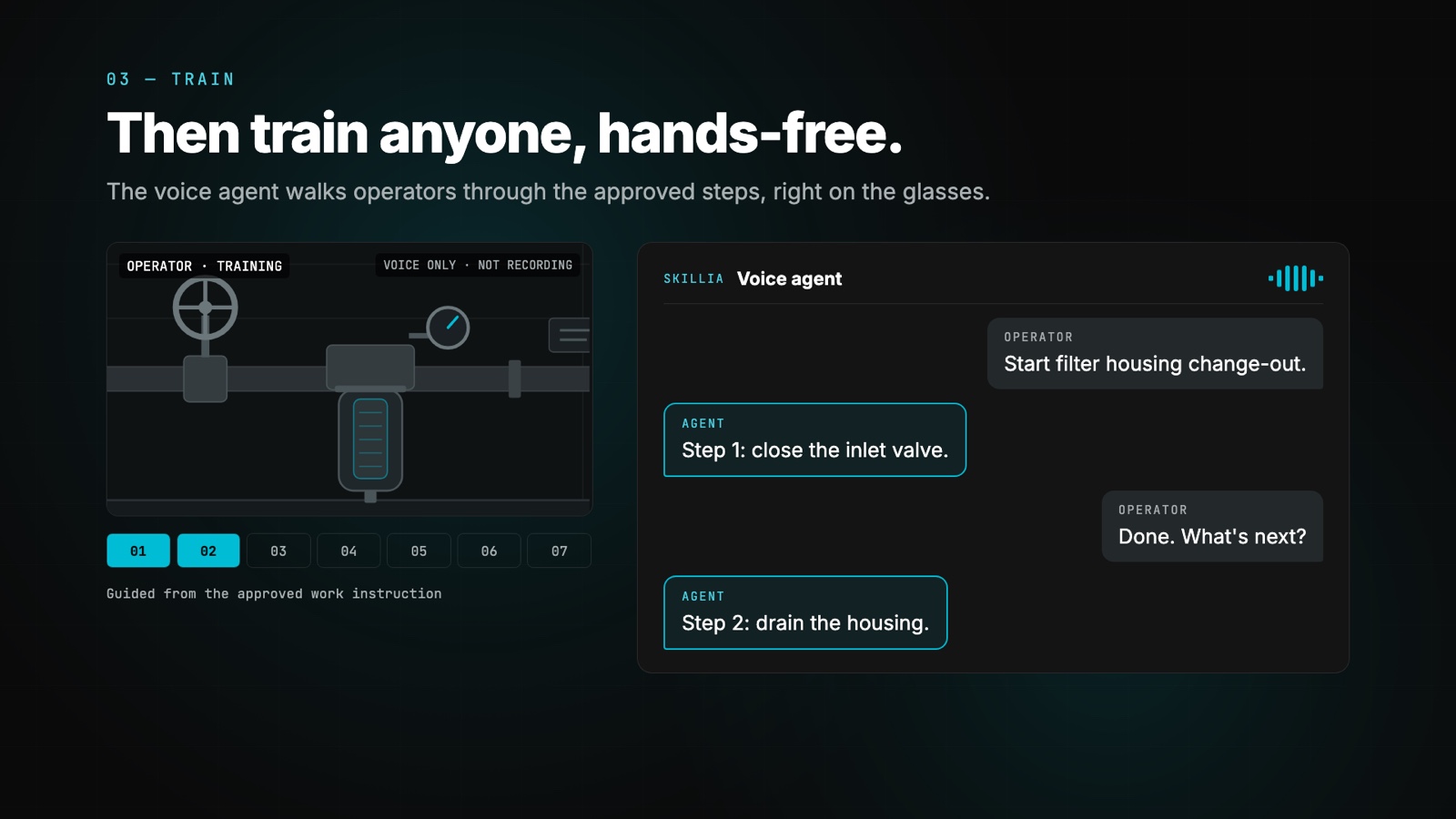
2. Voice Agent. Operators learn at the machine, hands-free. The Voice Agent walks them through the approved steps, and they move through them out loud ("What's next?") without putting down tools.
3. Assess. The operator runs the job on camera. AI scores every step against the method the expert documented and demonstrated, and flags steps that don't match, such as a step done out of order. An expert can review the result when needed, instead of standing over every run.
4. Prove. The result is a skill record: which job, which operator, steps matched, evidence for each step, and review status. That's the record a customer, auditor or prime can look at. It shows how the job was done against the approved method, not whether the part is good; part quality and conformance stay with inspection and the quality system.
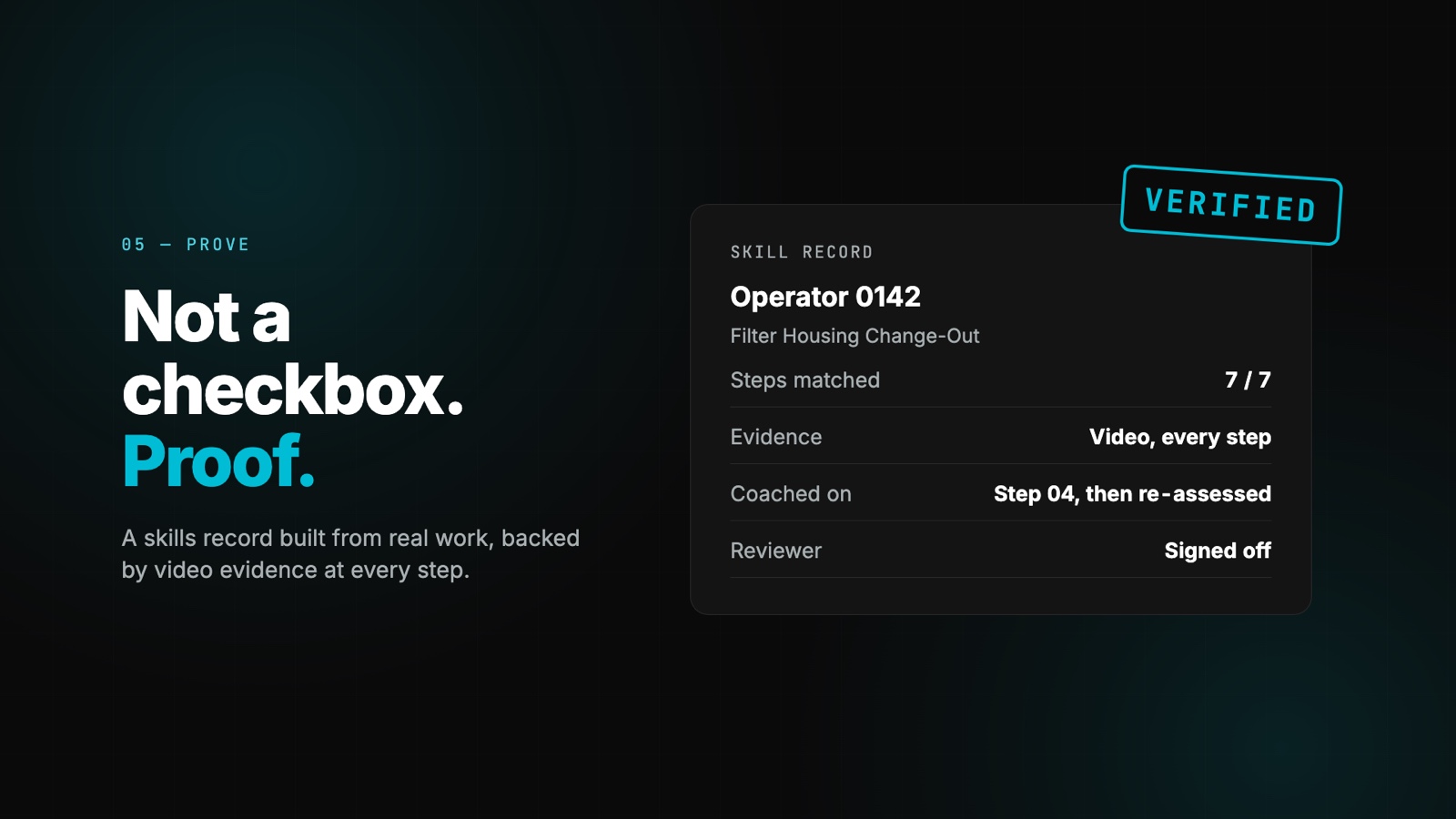
Where it fits next to the first-article report
Operator competency evidence doesn't replace a quality system. It sits next to it.
| Proof of the part | Proof of the person | |
|---|---|---|
| Question | Was this part made correctly? | Did this person follow the approved method? |
| Who owns it | The supplier's and customer's quality systems | skillia.AI record, reviewed by the expert when needed |
| Typical evidence | First-article report (AS9102), PPAP, audits | Approved method, on-camera run, step-by-step score, review status |
| When it's created | First article, process changes | Each operator, each job; should be refreshed when the method changes |
| Who looks at it | Supplier quality, customer quality | Supplier lead, supplier development, customer quality |
A first-article report shows the first part was right. An operator competency record shows who was trained to the approved method and has shown they follow it. They answer different questions, and the part question stays with the quality system.
How small suppliers get reached
A shop with fewer than 20 people shouldn't need an enterprise software project to show its people follow the approved method. We see two realistic routes:
- Through the primes. A prime that needs its suppliers to show their operators follow approved methods during a ramp can ask them to use skillia.AI, with the prime's or the supplier's own expert setting the approved method. Here's how that looks for a prime and its suppliers.
- Through networks that already serve small manufacturers. Today that includes our partnership with Manufacture Nevada, the Nevada MEP center. Manufacturing Extension Partnership centers and state programs serve the same shops.
FAQ
Does operator competency evidence replace first-article inspection?
No. First-article inspection proves the part. Operator competency evidence shows whether each operator followed the approved method. They answer different questions.
Does skillia.AI check part quality?
No. skillia.AI assesses whether a person followed the process as documented and demonstrated by the expert. Part quality and conformance stay with inspection and your quality system.
Does the expert have to watch every assessment?
No. AI scores each run against the expert's approved method. An expert can review results when needed.
Who sets the approved method at a supplier?
The person who knows the job best: usually the supplier's own expert, sometimes with the customer's input. skillia.AI captures their method and the expert approves it.
Is this only for defense suppliers?
No. The same gap exists in any plant where a few experienced people hold the method for critical jobs. Defense is where a16z's essay puts the production ramp in the spotlight right now.
See how it works
Watch the 60-second overview above, or see skillia.AI in action.
Sources
- Connor Love and Collen Larson, "The Case for the American Manufacturing Asset Class," a16z, Oct 2, 2026: a16z.news
- a16z on X, Oct 2, 2026 (machine shop counts): x.com/a16z
- a16z on X, Oct 2, 2026 ("thousands of suppliers"): x.com/a16z
- "Rockets, Jets, and Chips: How to Modernize U.S. Manufacturing," a16z, May 4, 2022: a16z.com
- Oliver Hsu, "Building the American Workforce," a16z, Nov 3, 2022: a16z.com
skillia.AI is not affiliated with a16z.