In most plants, a few people know how the hardest jobs are really done: the setup that isn't in the manual, the sound that means a bearing is going, the check they always do before a changeover. When they retire, that knowledge usually leaves with them. Interviews and exit documents rarely catch it, because experts don't know which parts of their routine are special.
You can preserve it. The plants that do it well capture the expert doing the real work, turn it into steps someone else can follow, and prove that someone else can actually do the job before the expert leaves. Here is how.
1. Find the knowledge at risk
Start with a list, not a project. For each critical job, ask two questions: who can do it on their own today, and when will they leave? Jobs that only one or two people can do, and where one of them is retiring or close to it, go to the top.
- Changeovers, setups and adjustments that one person always does
- Troubleshooting and maintenance tasks that "only Joe knows"
- Quality checks that depend on feel, sound or experience
- Rare jobs, such as annual shutdown tasks, that nobody else has done recently
2. Capture the work, not an interview
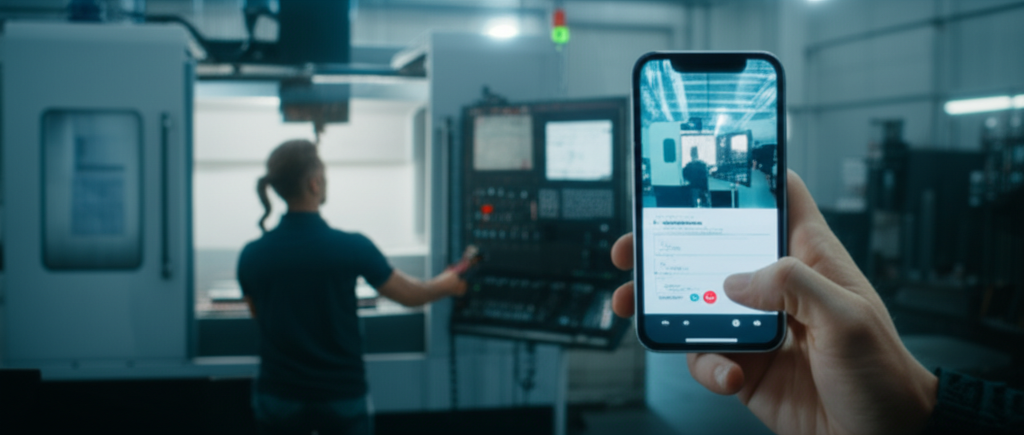
Ask the expert to do the job while it is recorded, start to finish, on the real equipment. Experts explain best while their hands are busy. Ask them to talk through what they are doing and why: what they check, what they listen for, what would make them stop.
A phone on a tripod works. Smart glasses work better, because the camera sees what the expert sees and both their hands stay on the job.
3. Turn the recording into steps the next person can follow
A long video is not a procedure. Break it into short, numbered steps, each with a picture from the video, and write down the "why" next to the steps where it matters. Mark the steps that must never be skipped. Then have the expert review and approve the result, so it says what they actually do.
4. Test it with someone who doesn't know the job
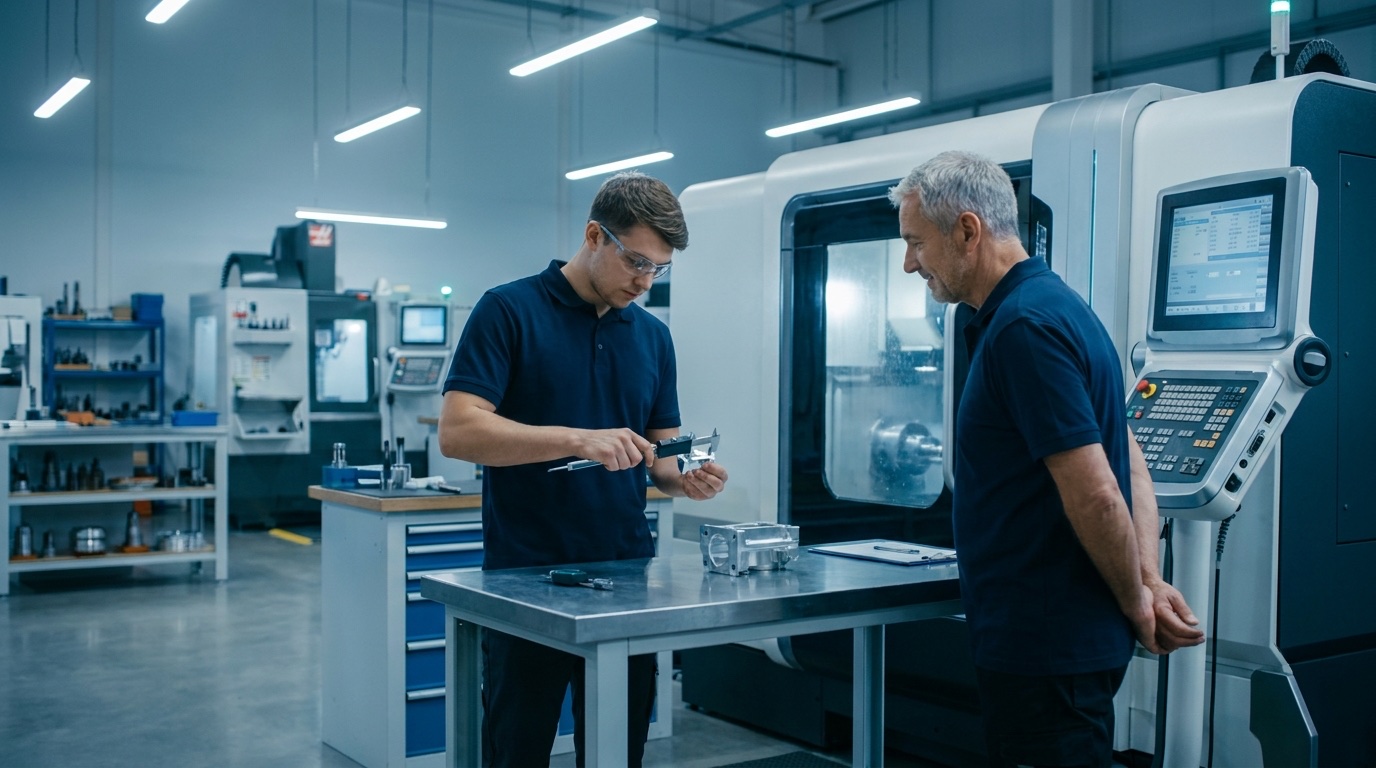
The real test of captured knowledge is whether a newer person can do the job from it. Have them do it from the steps while the expert watches. Every question they ask and every place they hesitate is a gap in the steps. Fix them while the expert is still there.
5. Check that people can do it, and keep the record
Before the expert leaves, at least one other person should do the job on their own, to the approved steps. Record that attempt and note any step they missed. A skills matrix (people down the side, jobs across the top) with that evidence behind it shows which jobs are covered and which still depend on one person.
6. Keep it current
Procedures change. When a step changes, update the approved version and recheck the people whose sign-off covered that step. Otherwise the captured knowledge quietly goes out of date.
Start small
Pick three jobs from your risk list and one expert. Capture, write up, test and check those three in the next month. You will learn more from three finished jobs than from a plan for fifty.
Where skillia.AI fits
skillia.AI covers steps 2 to 6 with four steps:
- See. The expert records the job once, on a phone or smart glasses. In about 3 minutes, AI drafts a step-by-step work instruction with a frame from the video for each step. The expert reviews and approves it and marks the critical steps.
- Guide. Others learn from the approved steps. With smart glasses, a voice guide reads them hands-free.
- Check. When they're ready, people record their own attempt. AI compares it with the approved steps: steps completed, steps missed and what to improve.
- Know. Results go into a skills matrix with the video behind each checkmark, so you can see which jobs still depend on one person. When a procedure changes, Change Impact shows whose sign-off it affects.
See real work instructions and assessments, or start free with one job.
Questions
How do you preserve tribal knowledge before experts retire?
List the jobs only one or two people can do and rank them by when those people leave. Record the expert doing each job while they explain it, turn the recording into approved step-by-step instructions, test them with a newer person, and check that someone else can do the job before the expert leaves.
Why don't interviews and exit documents work?
Experts don't know which parts of their routine are special, so they leave them out when they describe the job. Watching and recording the real work catches the steps they do without thinking.
How do I know the knowledge was really transferred?
When someone else can do the job on their own, to the approved steps, and you have a record of it. Until then, the job still depends on the expert.