Most small fab shops train a new welder the same way: pair them with the best welder in the shop and hope it sticks. It works, slowly. Your best welder loses half a day to teaching, every mentor teaches a little differently, and nobody can say for sure when the new hire is ready to run a job alone.
You can train faster without hiring a trainer or buying a simulator. The shops that do it well narrow what they teach, write down how their best welder does it, and check the new welder doing the whole job, not only the bead at the end. Here is a practical way to set that up.
1. Start with the three to five jobs new welders do first
Don't train "welding". Train the jobs. List the parts or assemblies a new welder will run in their first month, and pick the three to five that come up most. A new hire who can do those to your standard is useful on day 30. One who has practiced a bit of everything usually isn't.
2. Write down how your best welder does each job
Your best welder knows things that aren't on the print or the welding procedure specification (WPS): how they clean and prep the joint, the fit-up check they never skip, the tack sequence that keeps the part from pulling, where they start and stop. Capture that once, for each job:
- Setup: process, wire or rod, gas, and the settings range from your WPS, plus how they confirm the machine before the first arc.
- Prep and fit-up: cleaning, gaps, clamping and the checks before tacking.
- Sequence: tack order, weld order and direction, and why.
- Inspection: what they look at before calling the part done.
- Steps that are never skipped: mark them. These are the ones you check first.
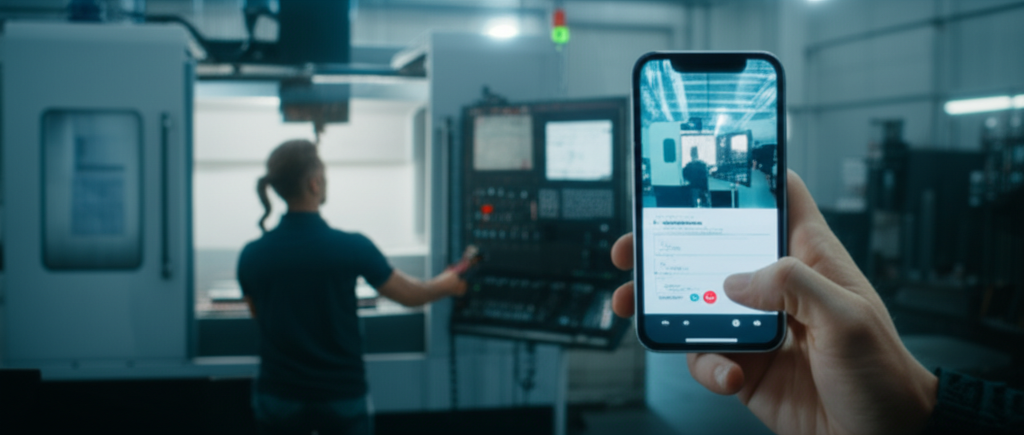
The fastest way to capture this is to record the welder doing the job once, start to finish, then turn the video into short numbered steps with a picture for each. A phone on a tripod works. Smart glasses work better, because the camera sees what the welder sees.
3. Teach it as "I do, we do, you do"
- I do: the new welder watches the job done to the written steps, live or on the video.
- We do: they run it on scrap or coupons with the mentor next to them, step by step.
- You do: they run it alone, still on practice material, until it is consistent.
The written steps do most of the work here. The mentor no longer explains the job from memory every time; they watch, correct and point back to the step. That is where shops get their best welder's time back.
4. Check the whole job, not only the bead
A good-looking bead can hide a skipped fit-up check or the wrong tack sequence, and those show up later as distortion or rework. Before a new welder runs production alone, watch them do the full job against the written steps: setup, prep, fit-up, sequence and inspection. Note any step they missed.
Record that check if you can. A short video of the new welder doing the job to standard is a better record than a signature on a training form, and it shows exactly what to coach when something was missed.
5. Keep qualification tests where the code requires them
If your work falls under a code such as AWS D1.1 or ASME Section IX, welders still have to pass the performance qualification test the code requires, with its test coupons and inspections. Shop training gets people ready for that test and for your jobs. It doesn't replace it.
6. Keep a record of who can do which job
Once people are checked, write it down: who can run which job on their own, when they were checked, and who checked them. A simple skills matrix (people down the side, jobs across the top) answers the question every scheduler asks: who can I put on this job today?
Common mistakes
- Training on everything at once. Narrow to the first jobs.
- Every mentor teaching their own way. Agree on the written steps first.
- Judging only the finished weld. Check the steps that lead to it.
- No record. Six months later, nobody remembers who was checked on what.
Where skillia.AI fits
skillia.AI is built for steps 2, 4 and 6. It follows four steps:
- See. Your best welder records the job once, on a phone or smart glasses. In about 3 minutes, AI drafts the numbered steps with a frame from the video for each one. The welder reviews and approves them, and marks the steps that are never skipped as critical.
- Guide. New welders learn from the approved steps. With smart glasses, a voice guide reads them hands-free.
- Check. When they're ready, new welders record their own attempt. AI compares it with the approved steps: steps completed, steps missed and what to improve. It checks how the job was done, not the weld itself; your inspection and qualification tests still judge the weld.
- Know. Results go into a skills matrix, with the video behind each checkmark. Your supervisors make every pass or fail decision.
You can try it with one job: start free (5 AI work instructions, no credit card), or see real work instructions and assessments first.
Questions
How do I train new welders faster without a dedicated trainer?
Narrow training to the three to five jobs new welders do first, write down how your best welder does each one, and use those written steps for "I do, we do, you do" practice. The mentor watches and corrects instead of explaining everything from memory.
How do I know a new welder is ready to work alone?
Watch them do the full job against the written steps, from setup to inspection, and note any step they missed. Record it if you can. Where a code applies, they also need to pass the required performance qualification test.
Can AI check a weld from video?
skillia.AI checks whether the welder followed the approved steps, such as setup, prep, fit-up and sequence. It doesn't judge weld quality; visual inspection and the tests your code requires still do that.